
Simple Ways to Reduce Noise at Home for a Peaceful Living Space
Creating a peaceful and quiet environment at home is essential for relaxation, concentration, and overall well-being. Noise from outside or inside the house can be distracting and stressful, especially in busy neighborhoods or shared living spaces. The good news is that reducing noise at home doesn’t always require expensive renovations. There are many simple and affordable ways to minimize unwanted sounds and enjoy a more tranquil atmosphere.
In this post, we’ll explore practical strategies to help you reduce noise, improve sound absorption, and make your home a quieter sanctuary.
Why Reducing Noise at Home Matters
Excessive noise can disrupt sleep, reduce productivity, and increase stress levels. Whether you’re working remotely, studying, or just unwinding after a long day, a quieter home environment can make a big difference. Taking steps to control noise can improve comfort, privacy, and your overall quality of life.
Identify Common Noise Sources
Before tackling noise reduction efforts, it’s helpful to pinpoint where the unwanted sounds come from. Common noise sources include:
– Traffic and street noise
– Loud neighbors or nearby construction
– Household appliances and electronics
– Footsteps or voices within the home
– Pets and children playing
Knowing your main noise issues allows you to choose the most effective solutions.
Simple Ways to Reduce Noise at Home
1. Use Soft Furnishings to Absorb Sound
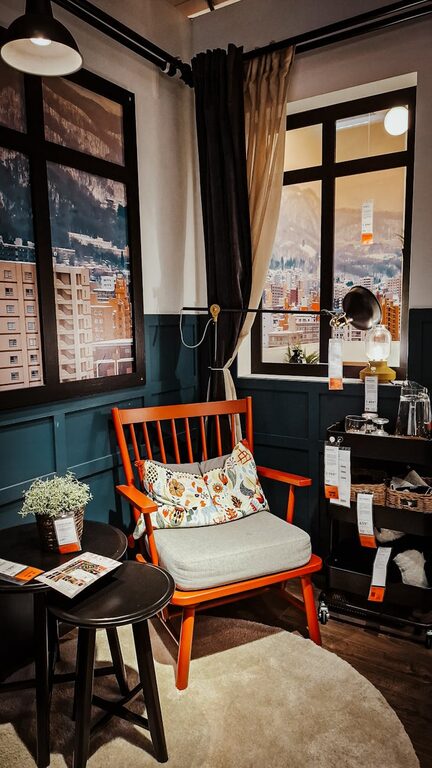
Hard surfaces reflect sound waves, making noise louder and more noticeable. Adding soft furnishings helps absorb sound and reduce echoes.
– Rugs and carpets: Place rugs on hardwood or tile floors to muffle footsteps.
– Curtains and drapes: Thick fabric curtains help block outside noise from windows.
– Cushions and upholstery: Sofas, chairs, and cushions improve sound deadening inside rooms.
2. Seal Gaps Around Doors and Windows
Noise can easily enter through small openings. Check for gaps and seal them to block sound transmission.
– Use weatherstripping tape around door frames.
– Install door sweeps at the bottom of doors.
– Apply caulk or sealant to cracks and gaps near windows and walls.
3. Rearrange Furniture for Better Sound Barriers
Smart furniture placement can reduce noise reaching living or work areas.
– Place large bookshelves or cabinets against shared walls.
– Position sofas or armchairs near noisy windows or doors.
– Use furniture as noise buffers between rooms.
4. Add Plants to Soften Sound
Indoor plants can help absorb and diffuse sound waves, as well as improve air quality.
– Use larger potted plants in noisy areas.
– Group several smaller plants together.
– Consider dense-leaved plants for better sound absorption.
5. Use White Noise Machines or Fans
White noise machines or fans produce consistent, soothing background sounds that mask disruptive noises.
– Choose a white noise generator or app with adjustable volume.
– Use a small fan to create gentle “white noise” in bedrooms or offices.
– These are especially useful for improving sleep quality.
6. Consider Acoustic Panels or Wall Hangings
Acoustic panels designed to absorb sound can be a stylish and functional option.
– Install fabric-covered panels on walls or ceilings.
– Use thick tapestries or quilts as decorative noise reducers.
– DIY options include foam panels or cork boards.
7. Limit Noisy Appliance Use During Quiet Hours
Be mindful of when you run loud appliances like vacuum cleaners, washing machines, or kitchen gadgets.
– Schedule noisy tasks for mid-day rather than early morning or late evening.
– Use appliances with quieter operation modes if available.
– Encourage family members to minimize loud activities during rest times.
8. Close Doors to Separate Noisy Rooms
Simply closing doors can help confine noise to certain areas.
– Keep bedroom and study doors closed for privacy and quiet.
– Use doors to isolate noisy living spaces like kitchens or playrooms.
– Consider installing heavier interior doors for better sound control.
9. Maintain Flooring to Reduce Footstep Noise
For homes with wooden or tile floors, noisy footsteps can be a common complaint.
– Add rugs or carpets in hallways and staircases.
– Use felt pads or rubber protectors on furniture legs.
– Consider cork or laminate underlays for future flooring updates.
Final Thoughts
Reducing noise at home doesn’t need to be complicated or expensive. By combining several of these simple techniques, you can create a quieter and more relaxing living space. Whether it’s adding soft textures, sealing gaps, or rearranging furniture, small changes make a big difference.
Creating a calm home environment helps you feel refreshed and focused every day. Start with one or two tips from this list, and enjoy the peace and comfort of a quieter home!
—
If you found these tips helpful, feel free to share your own noise-reducing ideas in the comments. A quieter home is closer than you think!
